 Bastide du Clos Bonnet
Bastide du Clos Bonnet
Bastide du Clos Bonnet
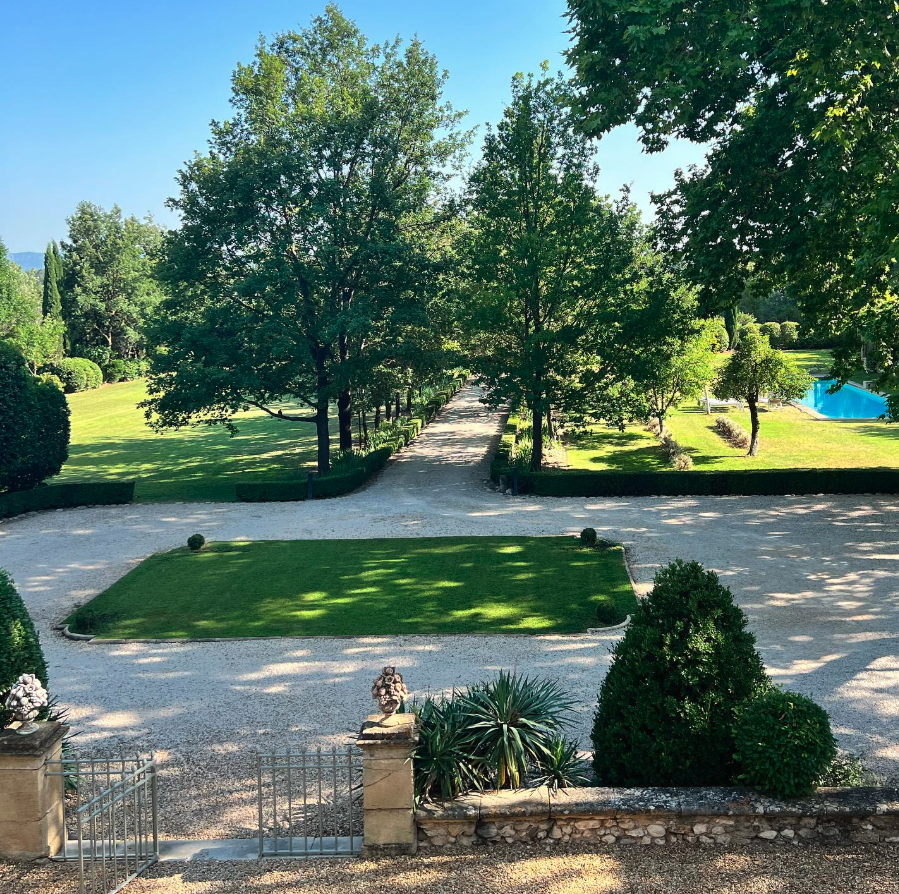
Three storeys of pale stone at the end of a plane-tree allée, with cypresses standing watch and green shutters thrown open to the garden.
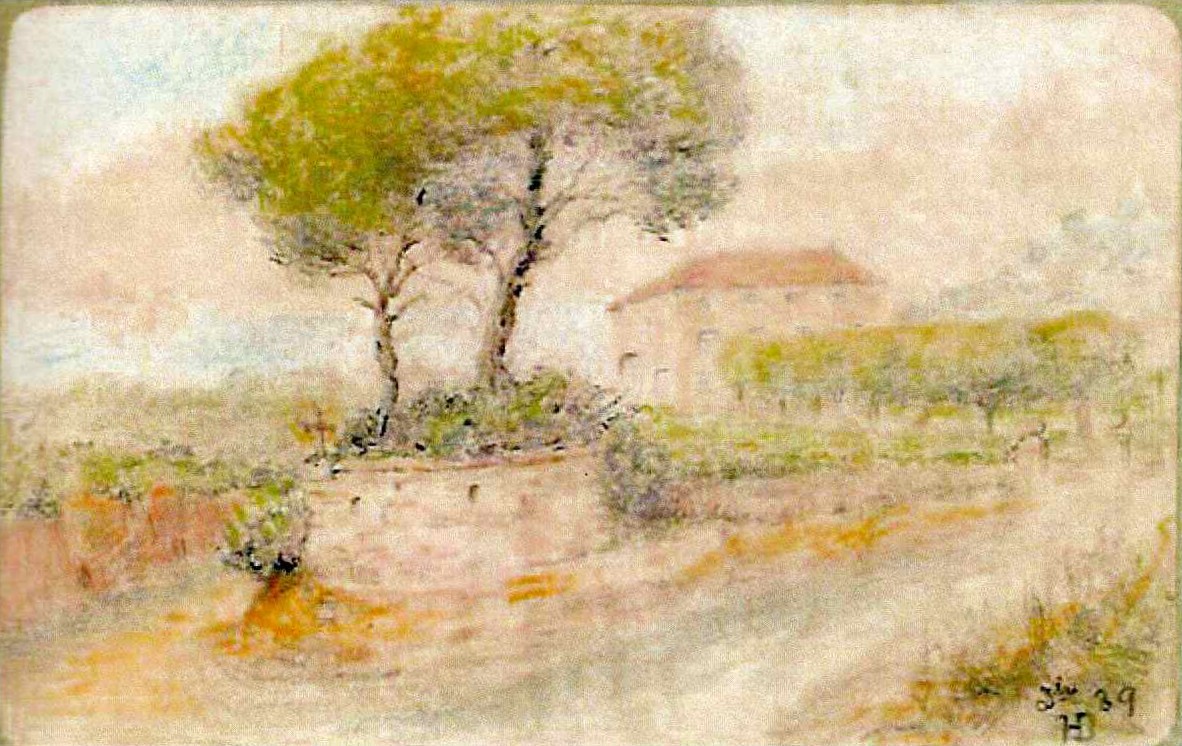
The bastide was built in 1846 for a single family and has stayed in one ever since. Three floors of pale Provençal stone, a sage-green shutter at every window, and a single sun-dial above the front door — the only clock the house keeps.
Inside, a butter-yellow kitchen with sage cabinets, a long pine table worn smooth, terracotta floors and beams overhead. The rooms are plain and generous: white walls, good light, nothing that asks to be noticed.
It is a working house, not a museum — the kind where the shutters are opened by hand each morning and the day arranges itself around the table.
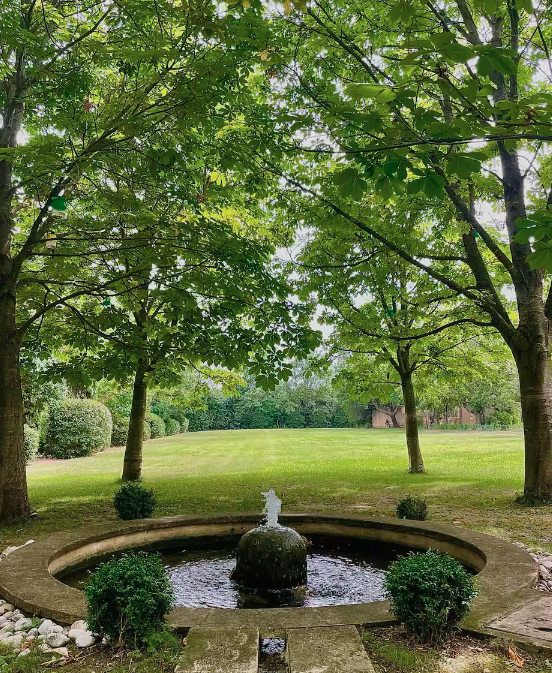
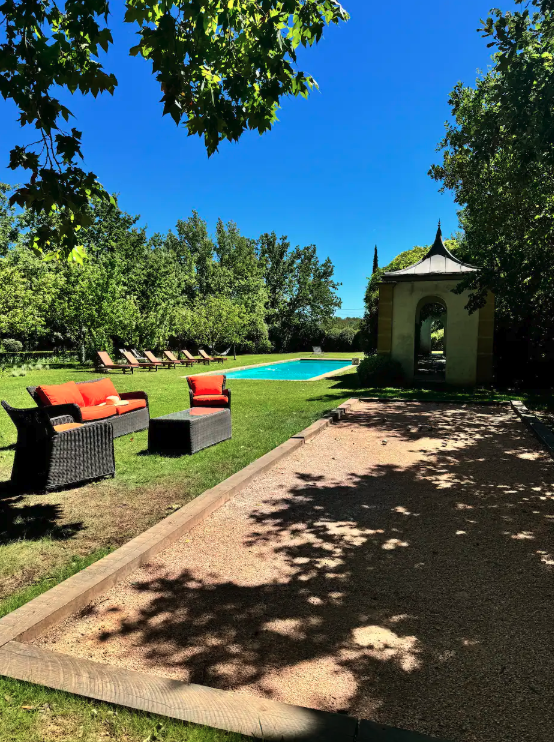
Beyond the gate: a parterre of clipped box, the long allée of plane trees, an olive grove, and a still pool set apart in its own clearing. A stone fountain runs cold all summer — the place to leave a bottle of rosé before lunch.
There is a pétanque court in the shade, a kitchen garden, and lavender along the south wall. The grounds run to twelve hectares, most of it left to the trees, so the house keeps its quiet on every side.
Eight rooms upstairs, beams overhead and shutters onto the garden. See where sixteen guests sleep.